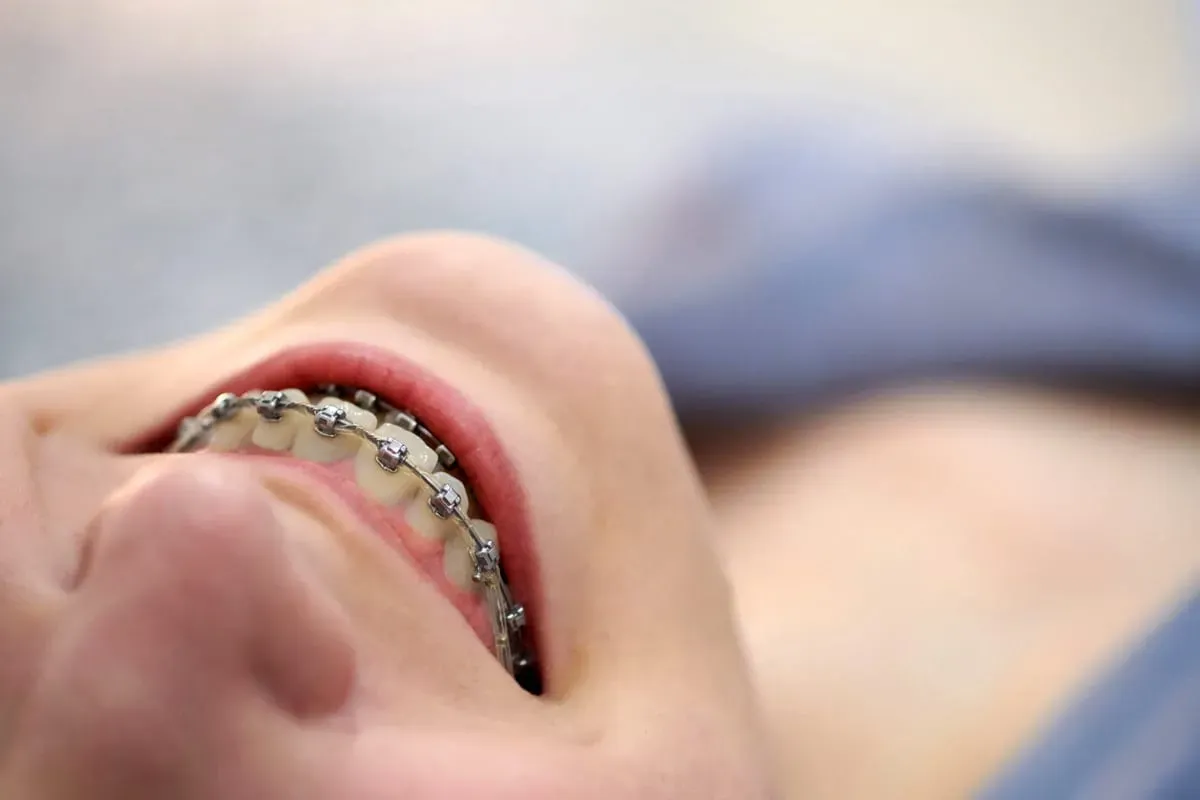
If you or your teenager have been told it's time for braces, chances are a dozen questions just came to mind: How long will this take? Will it hurt? Can I still eat the foods I love? Traditional metal braces have been around for generations, and for good reason - they remain one of the most reliable, cost-effective ways to correct crowding, gaps, and bite problems that affect how you chew, speak, and smile.
At Flossophy Dental Haltom, we see patients of every age walk in unsure about which orthodontic option fits their life, and traditional braces often turn out to be the most practical answer. They are durable, work on nearly any alignment issue, and don't depend on patient compliance the way removable aligners do. That reliability matters when you're investing time and money into a straighter, healthier bite.
This article walks through how traditional braces actually work, what the day-to-day experience looks like, and how they compare with other straightening options - so you can make an informed decision before your next visit.
How Traditional Braces Actually Work
Traditional braces use a simple but effective system: metal brackets bonded to the front of each tooth, connected by an archwire, and held in place with small elastic or metal ties. The archwire is the real workhorse here. It's shaped and tensioned to guide your teeth toward their ideal position, and as your teeth respond to that gentle, constant pressure, the surrounding bone remodels itself to hold them there permanently.
What makes this approach so dependable is the direct control it gives your orthodontic team. Because the brackets are fixed to your teeth and the wire is adjusted in-office, we can make precise corrections to rotation, tipping, and vertical position that removable appliances simply can't achieve on their own. This is one reason traditional braces remain the gold standard for complex bite corrections, significant crowding, and cases involving jaw alignment.
Modern brackets are also smaller and smoother than the braces many of us remember from childhood. Advances in bonding materials and wire alloys mean less bulk, fewer broken brackets, and a more comfortable ride from first placement to final adjustment.
What Happens From Consultation To Placement
Getting braces starts well before anyone touches a bracket. Your first visit is about understanding your bite, not fitting you with hardware. We take a full set of digital X-rays and photographs, examine how your jaw opens and closes, and talk through your goals - whether that's fixing a gap you've disliked for years or addressing a crossbite that's been causing jaw soreness.
From there, we build a treatment plan tailored to your specific alignment pattern. In some cases, a small amount of space needs to be created between teeth before brackets go on, which might mean a few days with separators (small rubber spacers) in place. Once everything is ready, the actual bonding appointment is straightforward and painless: teeth are cleaned and dried, brackets are bonded one by one with a dental adhesive, and the archwire is threaded through and secured.
- Diagnostic imaging: X-rays and photos map out exactly how your teeth and jaw currently align.
- Custom treatment plan: Bracket placement and wire progression are mapped to your specific bite issues.
- Bonding appointment: Brackets are placed in roughly one to two hours, with no anesthesia needed.
- Routine adjustments: Visits every four to eight weeks keep the wire tension moving teeth as planned.
Living With Braces: Eating, Cleaning, And Comfort
The first few days after placement are the biggest adjustment. It's normal to feel pressure or mild soreness as your teeth begin responding to the wire, and the inside of your cheeks may need a few days to get used to the brackets. Over-the-counter pain relief, soft foods, and orthodontic wax over any irritating spots usually resolve this within a week.
Diet does require some planning. Sticky caramels, hard candies, and crunchy foods like whole apples or popcorn can bend wires or pop brackets loose, which means an extra trip to our office to fix what could have been avoided. Most patients find that cutting firmer foods into smaller pieces and avoiding a short list of problem foods is a minor trade-off compared to the results.
Cleaning takes a bit more attention, too. Food particles can hide around brackets and under wires, so we recommend a proxy brush or floss threader in addition to regular brushing, along with a fluoride rinse to protect enamel during treatment. We check for any early signs of decalcification (those faint white spots some patients develop) at every adjustment visit so we can address it before it becomes a permanent mark on your enamel.
How Long Treatment Typically Takes
Treatment length varies more than people expect because it depends entirely on what's being corrected. A minor crowding issue in a teenager with all permanent teeth already in place might resolve in 12 to 18 months. A more involved case, such as correcting a significant overbite or closing a large gap, can take closer to 24 to 30 months. Adult cases sometimes run a bit longer, since adult bone remodels more slowly than a teenager's.
Why Consistency Matters
Missing adjustment appointments or ignoring a loose bracket can quietly add months to your timeline, because the wire can't do its job properly if a bracket isn't seated or if we fall behind schedule on tightening. Keeping those regular visits is one of the simplest things you can do to stay on track for your estimated finish date.
We give every patient a realistic estimate at the start of treatment, and we update that estimate at each visit as we track how your teeth are responding. It's rarely a guessing game by the midpoint of treatment - we can usually tell within a few months how close you are to your finish line.
Traditional Braces vs. Clear Aligners
Clear aligners have become popular because they're removable and less visible, but they aren't the right fit for every case. Aligners rely on patient discipline - they only work if worn 20 to 22 hours a day - and they have real limits when it comes to correcting rotated teeth, significant vertical movement, or complicated bite issues. Traditional braces don't have that compliance problem, because they're fixed in place and working around the clock.
Cost is another factor worth considering honestly. Traditional braces are typically the more budget-friendly option, and many dental insurance plans cover a larger share of the cost for metal braces than for clear aligner systems. For families managing orthodontic treatment for more than one child at a time, that difference matters.
There's also a practical durability argument. Aligners can be lost, cracked, or left in a restaurant napkin by mistake, each one setting treatment back. Braces stay put. For patients who want a predictable, lower-maintenance process with fewer opportunities for user error, traditional braces are often the more straightforward path to a finished smile.
Life After Braces Come Off
The day your braces come off is genuinely one of the more satisfying moments in dentistry - for you and for us. We remove each bracket, polish away any residual adhesive, and take final photos to compare against your starting point. Most patients are surprised by how clean and smooth their teeth feel again.
That said, the work isn't quite finished. Teeth have a natural tendency to drift back toward their original position, a phenomenon called relapse, so we fit every patient with a custom retainer immediately after debonding. Wearing it as directed - usually full-time at first, then nightly - is what locks in the results you just spent months or years working toward.
We also schedule a follow-up visit a few weeks after braces removal to check retainer fit and make sure your bite has settled comfortably. Skipping this step is one of the most common reasons people see their teeth shift years later, so we treat it as a non-negotiable part of the process.
Key Takeaways
- Traditional braces use fixed brackets and wires to move teeth with precision that's hard to match with removable appliances.
- Treatment typically runs 12 to 30 months depending on the complexity of your bite and alignment.
- Keeping regular adjustment visits and avoiding problem foods keeps your timeline on track.
- Braces don't depend on patient compliance the way aligners do, making them a reliable choice for complex cases.
- A custom retainer after braces come off is essential to keeping your new smile in place long-term.
Frequently Asked Questions
Does getting braces hurt?
Placement itself isn't painful, but you'll likely feel pressure or soreness for a few days afterward as your teeth adjust to the new forces. This discomfort is mild, temporary, and usually manageable with over-the-counter pain relief and soft foods.
Can adults get traditional braces, or is it just for teenagers?
Adults make up a large share of orthodontic patients today. As long as your gums and jawbone are healthy, there's no upper age limit for braces - treatment may simply take a bit longer since adult bone responds more slowly than a teenager's.
How often do I need adjustment appointments?
Most patients come in every four to eight weeks so we can tighten or swap the archwire and keep your teeth moving according to plan. These visits are quick, usually 20 to 30 minutes, and are a good opportunity to catch any loose brackets early.
Will I need to wear a retainer forever?
Yes, in some form. Teeth continue to shift subtly throughout life, and nightly retainer wear after the initial full-time period is the most reliable way to protect the results of your treatment for the long run.
What happens if a bracket breaks or a wire pokes my cheek?
Cover any sharp spot with orthodontic wax and call our office. Minor issues can often wait until your next scheduled visit, but we'll always get you in sooner if a wire is causing real irritation or a bracket has come fully loose.
Is It Time To Talk About Braces?
Traditional braces have stayed a trusted option for decades because they work consistently, handle even the most complex alignment issues, and don't ask much of you beyond regular brushing and showing up to your appointments. For families and adults weighing their options, that reliability is often exactly what matters most.
Every bite is different, and the only way to know what your treatment timeline and plan will actually look like is with a proper evaluation. Our team at Flossophy Dental Haltom is happy to walk through your X-rays, answer your specific questions, and map out what straightening your smile would involve for you.