Few phrases in dentistry cause as much unnecessary dread as "root canal." For decades, it's been the punchline of jokes and the subject of exaggerated horror stories, but the reality today is far different from its reputation. Root canal therapy is one of the most effective ways to stop dental pain and save a tooth that would otherwise need to be pulled.
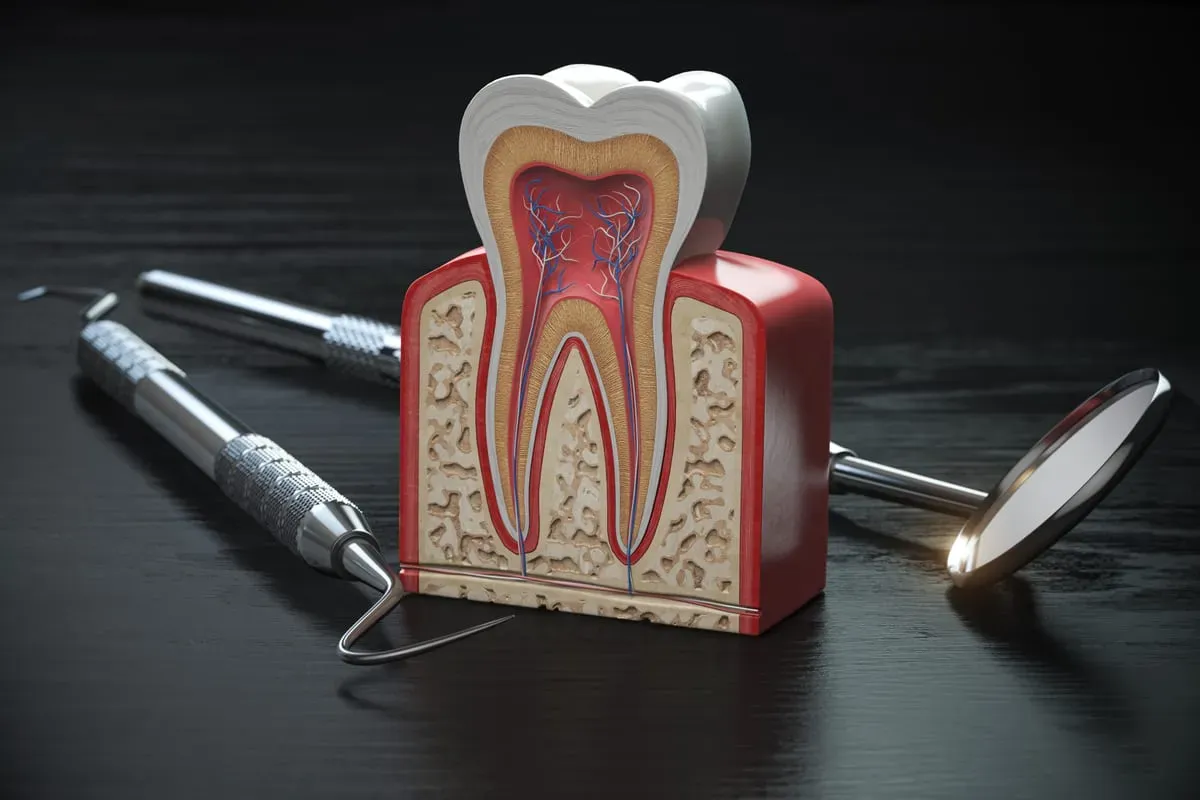
If you've been told you need a root canal, or you're dealing with a persistent toothache and wondering whether this might be in your future, it helps to understand what's actually happening inside your tooth and why this treatment matters. A tooth isn't just a solid piece of enamel. Underneath the surface lies a soft core of nerves, blood vessels, and connective tissue called the pulp. When that pulp becomes infected or inflamed - usually from deep decay, a crack, or trauma - the pain can be intense, and the infection won't resolve on its own.
This article walks through how root canal therapy works, what causes the need for it, what recovery looks like, and how our team at Flossophy Dental Haltom approaches treatment to keep it as comfortable as possible. Understanding the process tends to take most of the anxiety out of it.
Signs You Might Need Root Canal Therapy
Pulp damage doesn't always announce itself with a dramatic toothache. Sometimes the signs are subtle, and that's exactly why regular checkups matter. Deep decay that goes untreated, a cracked tooth from biting down on something hard, or an old filling that's failed can all expose the pulp to bacteria. Once bacteria reach that inner chamber, inflammation and infection are usually inevitable.
The most common symptom is a lingering, throbbing pain, especially one that intensifies when you bite down or lie flat. Sensitivity to hot or cold that stays long after the stimulus is removed is another classic warning sign. You might also notice swelling in the gums near a specific tooth, a small pimple-like bump on the gum, or a tooth that has started to darken.
In some cases, there's no pain at all. The nerve can die quietly, and the first sign of trouble is swelling or an abscess discovered during a routine exam or x-ray. This is one of the reasons we recommend keeping up with regular dental cleanings and checkups, since catching an infection early often means a simpler, more predictable treatment.
How Root Canal Therapy Actually Works
The goal of root canal therapy is straightforward: remove the infected or damaged pulp, clean out the inside of the tooth thoroughly, and seal it so bacteria can't get back in. The procedure usually takes one to two appointments, depending on the complexity of the tooth and how advanced the infection is.
We start by numbing the area completely so you're comfortable throughout. A small opening is made in the top of the tooth to access the pulp chamber and root canals. Using fine instruments, the infected tissue is carefully removed, and the canals are cleaned, shaped, and disinfected. This step is where precision matters most, since every tooth has its own internal anatomy, and some have extra or curved canals that need careful attention.
Once the canals are clean, they're filled with a biocompatible material that seals the space and prevents reinfection. The access opening is then closed with a temporary or permanent filling. Here's a quick look at what happens at each stage:
- Diagnosis and imaging: X-rays help us see the extent of the infection and map out the tooth's root structure before we begin.
- Numbing and isolation: Local anesthesia and a protective barrier keep the tooth dry and you comfortable throughout.
- Cleaning the canals: Infected pulp tissue is removed and the canals are shaped to prepare for filling.
- Sealing the tooth: A biocompatible material fills the space, and the access point is closed to prevent reinfection.
- Restoring the tooth: Most teeth need a crown afterward to restore strength and protect against future fracture.
Does It Really Hurt? Separating Fact From Fiction
This is the question we hear most often, and understandably so. The honest answer is that modern root canal therapy, performed with proper anesthesia, is generally no more uncomfortable than getting a filling. The persistent myth that root canals are agonizing actually has it backward: it's the untreated infection causing the pain, not the treatment itself. Removing that infected tissue is typically what brings relief.
Advances in anesthesia techniques, imaging technology, and instrument design have made the procedure far more predictable and comfortable than it was even a decade or two ago. Most patients report that the appointment feels similar to a routine filling, just a bit longer. Some mild soreness in the days following is normal, as the tissue around the tooth settles, but it's typically manageable with over-the-counter pain relievers.
If you've been avoiding treatment out of fear based on stories from years ago, it's worth having an honest conversation with our team about what to actually expect at your specific appointment. Fear of the unknown is often worse than the procedure itself.
What To Expect After Treatment
Recovery from root canal therapy is usually quick and uneventful. The area may feel tender or slightly numb for a few hours after the anesthesia wears off, and mild sensitivity around the tooth and gums is common for several days as inflamed tissue heals. Most people return to normal activities, including work, the same day or the next.
We generally recommend sticking to softer foods for the first day or two and avoiding chewing directly on the treated tooth until any temporary filling is replaced with a permanent restoration. Over-the-counter anti-inflammatory medication is usually enough to manage discomfort, though we'll let you know if anything stronger is needed based on your specific case.
It's important to follow through on the full treatment plan, including the follow-up visit for a permanent crown if one is recommended. A tooth left without its final restoration is more vulnerable to fracture, since the structure has been hollowed out during the procedure. Skipping this step is one of the most common reasons a successfully treated tooth later runs into trouble.
Why Saving the Natural Tooth Matters
When a tooth is badly infected, there are really only two paths forward: root canal therapy to save it, or extraction to remove it. We almost always recommend trying to save the natural tooth whenever it's a viable option, and there are good reasons for that beyond simply avoiding another procedure.
Your natural teeth are designed to work together. Removing one changes how you bite and chew, and it can lead to shifting among neighboring teeth over time, along with changes in jawbone density in that area. Replacing an extracted tooth later, whether with a bridge, a partial denture, or dental implants, is a bigger investment of time and money than restoring the tooth you already have.
Root canal therapy has a strong long-term success rate, and a treated tooth with a proper crown can function well for many years, often a lifetime, with normal care. For patients who do need an extraction for other reasons, we also offer tooth extraction services and can walk through replacement options that fit your situation.
Why a Crown Usually Follows
After the canals are cleaned and sealed, the tooth itself is often more brittle than it was before, especially for back teeth that handle significant chewing force. Removing the infected pulp takes away the tooth's internal blood supply, which over time can make the remaining structure more prone to cracking.
That's why a custom crown is typically recommended as the final step, particularly for molars and premolars. The crown caps the tooth, distributing bite force evenly and protecting it from fracture. Front teeth with smaller fillings sometimes only need a filling rather than a full crown, but this is determined case by case depending on how much natural structure remains.
If you're also dealing with other damaged or missing teeth nearby, it's worth discussing your full restorative dentistry options with our team at the same time, so your treatment plan addresses everything together rather than one tooth at a time.
Key Takeaways
- Root canal therapy removes infected pulp from inside a tooth and seals it to relieve pain and stop the spread of infection.
- Lingering sensitivity, throbbing pain, swelling, or a darkened tooth are all signs worth getting checked promptly.
- With modern anesthesia, the procedure itself is far less uncomfortable than its old reputation suggests.
- Saving your natural tooth generally preserves better bite function and avoids costlier replacement procedures later.
- A crown is usually needed afterward to protect the treated tooth from future fracture.
Frequently Asked Questions
How long does a root canal appointment usually take?
Most root canal procedures take between 60 and 90 minutes, though this varies by tooth. Molars with multiple roots and curved canals can take longer, and some cases are split across two visits for the best result.
Will I need to take time off work or school?
Most patients return to normal activities the same day. Some mild soreness or numbness may linger for a few hours, so many people prefer to take the rest of the day easy, but it's rarely necessary to take multiple days off.
What happens if I ignore the infection instead of treating it?
Untreated infections don't resolve on their own. The infection can spread to surrounding bone and tissue, lead to a painful abscess, and eventually put the tooth beyond saving, requiring extraction. In rare cases, dental infections can also become a broader health concern if left untreated for too long.
Is root canal therapy covered by dental insurance?
Most dental insurance plans provide at least partial coverage for root canal therapy since it's considered a necessary restorative treatment rather than cosmetic work. Our team can help you understand your specific benefits; visit our insurance page for more details, and we also offer financing options for any remaining cost.
What if I'm in significant pain right now?
Severe tooth pain, swelling, or fever are signs you shouldn't wait on. We treat dental infections as a priority and offer emergency dentistry for patients who need to be seen quickly.
The Bottom Line on Root Canal Therapy
A root canal isn't something to dread; it's a tooth-saving procedure that relieves pain rather than causing it. Understanding what's actually happening inside your tooth, and what the treatment involves, takes away most of the fear that surrounds the name. When caught early and treated properly, a tooth that needed root canal therapy can go on functioning normally for years to come.
If you're dealing with a persistent toothache, sensitivity that won't quit, or swelling that hasn't gone away, don't wait for it to get worse. Our team at Flossophy Dental Haltom is here to evaluate what's going on and talk through the right treatment for your specific tooth, with your comfort as the priority from the first appointment to the last.