If you have spent years covering your smile in photos or avoiding certain foods because your bite feels off, you have probably typed "straighten teeth without metal braces" into a search bar more than once. Invisalign comes up almost every time, and for good reason. It has become one of the most requested treatments we offer, not because it is trendy, but because it genuinely fits into how adults and teens live today.
What a lot of patients do not realize is that Invisalign is not just "invisible braces." It is a different system entirely, built around digital planning, removable trays, and a treatment philosophy that puts control in the patient's hands. That flexibility is wonderful, but it also means there is a learning curve: how the trays work, how long you will wear them, what they can and cannot fix, and what it actually costs.
This article walks through all of that in plain language. Whether you are weighing Invisalign against traditional braces or just want to understand the process before your first visit, you will find the practical details here, along with an honest look at who tends to do well with this treatment and who might need a different approach.
How Invisalign Actually Moves Your Teeth
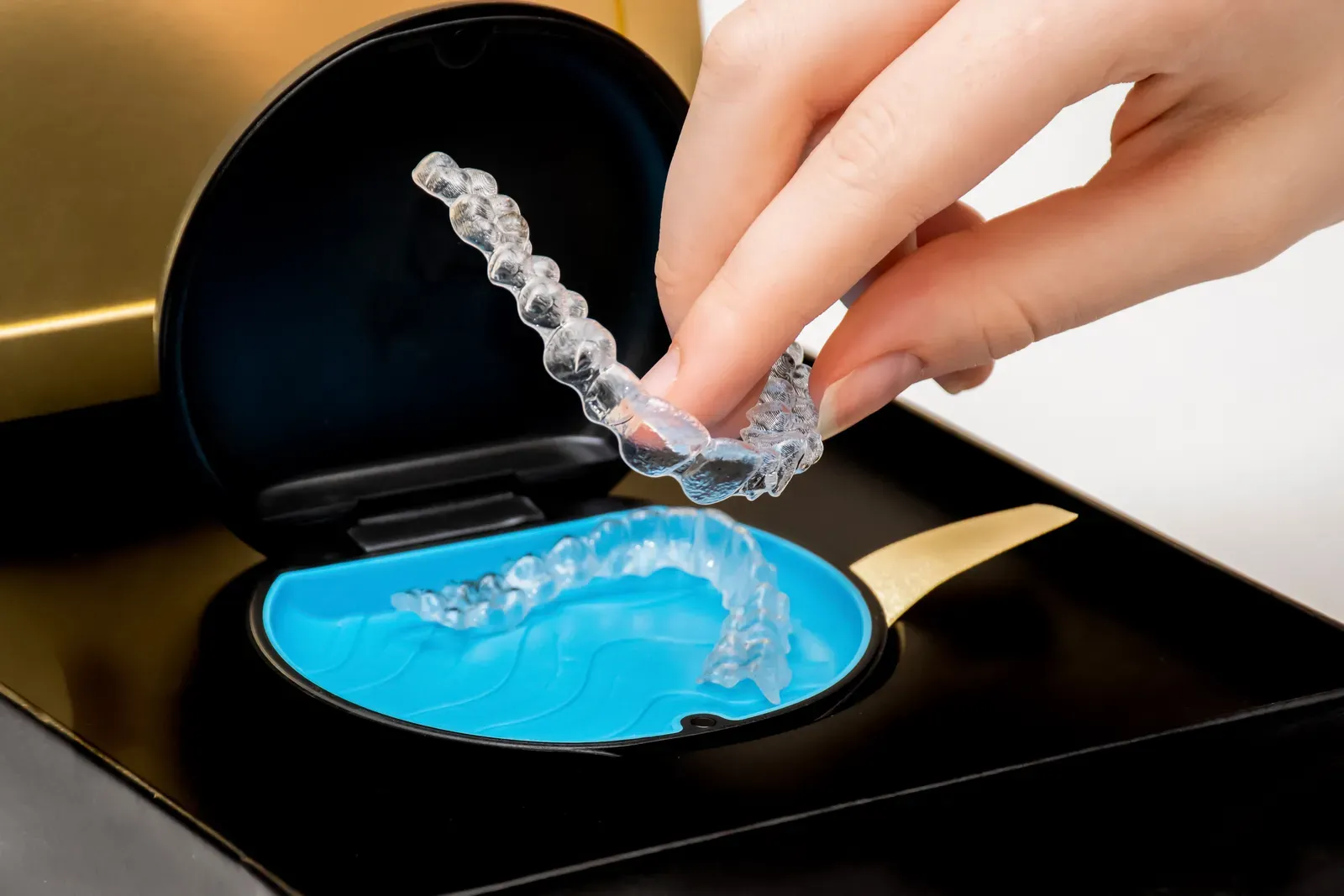
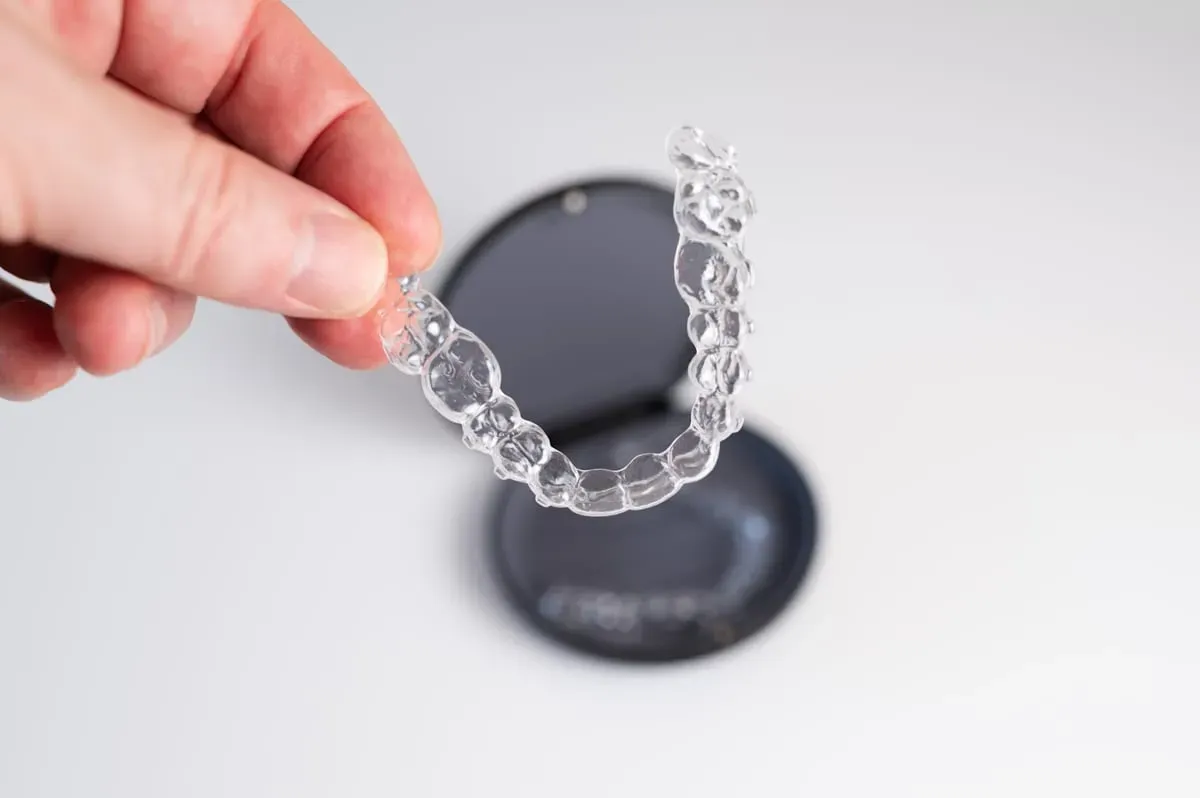
Invisalign uses a series of clear, custom-made trays called aligners, each one slightly different from the last. Every tray applies gentle, calculated pressure to specific teeth, nudging them a fraction of a millimeter closer to their final position. You wear one set for one to two weeks, then move on to the next in the series, and the small, steady shifts add up to a fully repositioned smile by the end of treatment.
What makes this possible is digital planning. Before any aligners are made, we take a detailed 3D scan of your teeth and use specialized software to map out the entire movement plan, tooth by tooth, step by step. You actually get to see a simulation of how your smile should change over the course of treatment before a single aligner is manufactured. That level of predictability is one of the biggest differences between this system and older orthodontic approaches.
Small plastic attachments, sometimes called buttons, are occasionally bonded to certain teeth to give the aligners extra grip for more complex movements like rotations or vertical adjustments. They are tooth-colored and barely noticeable, but they play an important mechanical role, especially in cases involving crowding or bite correction rather than simple spacing.
Who Is a Good Candidate for Clear Aligners?
Invisalign handles a wider range of cases today than it did when it first launched, but it still is not the right fit for everyone. It works especially well for mild to moderate crowding, gaps between teeth, and many bite issues like overbite, underbite, or crossbite. Treatment plans have become sophisticated enough that we can now correct cases that once required traditional braces.
That said, severe skeletal discrepancies, significant tooth rotations, or cases needing major jaw repositioning sometimes respond better to fixed appliances. This is part of why a thorough evaluation matters so much before starting. During a consultation, we look at your bite, your bone structure, and your daily habits to determine whether aligners will get you the result you want within a reasonable timeline.
Signs Invisalign Might Be a Strong Match for You
- You have mild to moderate crowding or spacing. These are the classic cases where clear aligners shine, often finishing in well under a year.
- You are disciplined about routines. Since the trays are removable, results depend on wearing them consistently, roughly 20 to 22 hours a day.
- You want a discreet option for work or social settings. Clear trays are far less noticeable than brackets and wires, which matters for many working adults.
- You have a relatively stable bite with localized issues. Aligners excel at fine-tuning alignment rather than overhauling an entire jaw structure.
If your case turns out to be more complex, we will tell you honestly and walk you through alternatives like traditional braces, which sometimes remain the faster or more reliable choice for certain bite problems. Our goal is matching you with the treatment that actually gets you to your result, not just the one that sounds more modern.
What Happens From First Visit to Final Tray
Your first appointment is really a conversation combined with a thorough exam. We will look at your teeth, gums, and bite, take photos and a digital scan, and discuss what bothers you about your current smile and what you are hoping to change. This is also when we flag anything that needs attention first, since untreated cavities or gum issues should generally be addressed before orthodontic movement begins. If you are due for a checkup, we often pair this visit with dental cleanings so your mouth is in good shape before treatment starts.
From there, your digital scan gets translated into a full treatment plan, and your first batch of aligners is manufactured, which typically takes a couple of weeks. At your next visit, we fit the trays, check that they seat properly, and walk you through handling, cleaning, and wear schedules. Most people switch to a new aligner every one to two weeks, with brief check-in appointments every six to eight weeks so we can confirm things are tracking as planned.
Total treatment time varies quite a bit. Minor cosmetic adjustments might wrap up in four to six months, while more involved bite corrections can take twelve to eighteen months or occasionally longer. What is consistent across nearly every case is that movement is gradual and predictable, since each aligner is simply executing the next step of the digital plan we reviewed together at the start.
Living With Aligners: Eating, Talking, and Wear Time
One of the biggest practical differences from metal braces is that you take the trays out to eat and drink anything besides water. There is no list of forbidden foods, no popcorn anxiety, no worrying about wire breakage from biting into an apple the wrong way. You simply remove the aligner, eat normally, brush your teeth, and put the tray back in.
Speech adjusts quickly for most people. There can be a slight lisp for the first day or two with a new set, especially with upper trays, but this typically fades fast as your tongue adapts to the plastic. Some patients notice mild pressure or soreness right after switching to a new aligner, which is actually a good sign that the tray is doing its job. It usually settles within a day.
The real variable in how well Invisalign works is wear time. Aligners need roughly 20 to 22 hours a day in your mouth to stay on schedule. Skipping days or leaving them out too long during the day can stall progress or even require extra aligners to correct regression, which adds time and sometimes cost to your plan. If you are someone who will genuinely commit to that schedule, aligners tend to work beautifully. If your lifestyle makes consistent wear difficult, that is worth discussing honestly at your consultation.
How Invisalign Cost Compares to Traditional Braces
Invisalign and traditional braces generally land in a similar cost range, with the final number depending heavily on how complex your case is and how long treatment takes. Mild cases that wrap up in a few months will naturally cost less than cases requiring a longer series of aligners and more frequent monitoring. During your consultation, we can give you a specific estimate once we understand what your treatment actually involves.
Many dental insurance plans that cover orthodontics will apply that same benefit toward Invisalign, since it is classified as an orthodontic treatment rather than a purely cosmetic one. It is worth checking your plan's specifics, and our team can help you understand your insurance benefits and what portion might be covered. We also work with financing options for patients who want to spread payments out over the course of treatment rather than paying everything up front.
It helps to think about cost in terms of value rather than just the sticker price. A straighter bite is not only about appearance. Misaligned teeth can contribute to uneven wear, jaw strain, and even issues like TMJ disorders over time, so correcting alignment now can reduce the likelihood of more involved and expensive dental work later.
Keeping Your Results After the Last Aligner
Finishing your last tray is a genuine milestone, but it is not quite the end of the process. Teeth have a natural tendency to drift back toward their original position, especially in the months right after active treatment. That is why a retainer is a non-negotiable part of long-term success, not an optional add-on.
Most patients wear a retainer full-time for a period after finishing, then transition to nighttime-only wear indefinitely. It sounds like a lot, but it becomes a quick habit, similar to brushing before bed. Skipping retainer wear is the single most common reason people see their teeth shift back after investing months into straightening them, so we take this step seriously and make sure you leave with a clear, written plan.
Regular dental visits remain important throughout and after treatment too. Straight teeth are genuinely easier to clean and floss, which tends to improve gum health, but you still need routine exams to catch anything developing beneath the surface and to keep your whole mouth, not just your alignment, in good condition.
Key Takeaways
- Invisalign uses a digitally planned series of clear, removable aligners that gradually shift teeth into place.
- It works well for mild to moderate crowding, spacing, and many bite issues, though severe cases may still need traditional braces.
- Success depends on wearing aligners 20 to 22 hours a day and following the switch schedule consistently.
- Cost is comparable to traditional braces and is often covered in part by orthodontic insurance benefits.
- A retainer after treatment is essential to protect your results long term.
Frequently Asked Questions
Does Invisalign hurt?
Most patients describe mild pressure or soreness for a day or two after switching to a new aligner, not sharp pain. It is usually manageable with over-the-counter pain relief if needed, and tends to fade quickly as your teeth adjust to each new tray.
How often do I need to see the dentist during treatment?
Checkups are generally scheduled every six to eight weeks so we can confirm your teeth are tracking with the plan. These visits are typically brief since there are no wires to adjust, just a quick check and a new batch of aligners to pick up.
Can teenagers use Invisalign, or is it only for adults?
Teens can absolutely use Invisalign, and there are versions of the system designed with features like compliance indicators and eruption tabs for growing mouths. The right choice still depends on the individual case and the teen's ability to stick to consistent wear.
What if I lose or damage an aligner?
Let us know right away. Depending on where you are in treatment, we may have you move to the next tray early, revert to the previous one temporarily, or order a replacement. Delaying a call usually causes more disruption than the lost aligner itself.
Will I need any other dental work before starting Invisalign?
It depends on your current oral health. Active cavities or gum disease typically need treatment first, and in some cases procedures like tooth extractions are part of the plan if crowding is severe. We will cover all of this during your initial evaluation.
Is Invisalign Worth It?
For the right case, Invisalign offers a genuinely practical way to straighten teeth without reshaping your daily routine around brackets and wires. It takes commitment, mainly in the form of wearing your trays consistently and showing up to your scheduled checkups, but the trade-off is a treatment that fits quietly into work, social life, and meals without drawing attention.
The best way to know whether it is right for your smile is a straightforward conversation about your teeth, your bite, and what you want the end result to look like. From there, we can map out a realistic plan, timeline, and cost so you can decide with real information rather than guesswork. If you have been considering straighter teeth for a while, a consultation at our Invisalign service is a low-pressure place to start.