A crooked smile is rarely just about looks. Crowded or gapped teeth can make flossing harder, put uneven pressure on your bite, and quietly wear down enamel in spots you'd never expect. For a long time, the only real fix was metal brackets and wires, which worked well but asked a lot of adult patients - visible hardware, dietary restrictions, and frequent tightening appointments that could leave your mouth sore for days.
Invisalign changed that calculus for a lot of people. Clear, removable aligners can correct many of the same issues traditional braces treat, without the brackets, the wires, or the social self-consciousness that often comes with them. At Flossophy Dental Haltom, we see patients every week who assumed their bite problems were just something to live with - until they learned how straightforward the clear aligner process actually is.
This article walks through how Invisalign actually works, who tends to get the best results from it, what the day-to-day experience looks like, and the questions we hear most often in our Haltom City office. Whether you're weighing Invisalign against traditional braces or just want to understand the timeline before you commit, we want you to have real information before you sit in the chair.
How Invisalign Actually Straightens Your Teeth
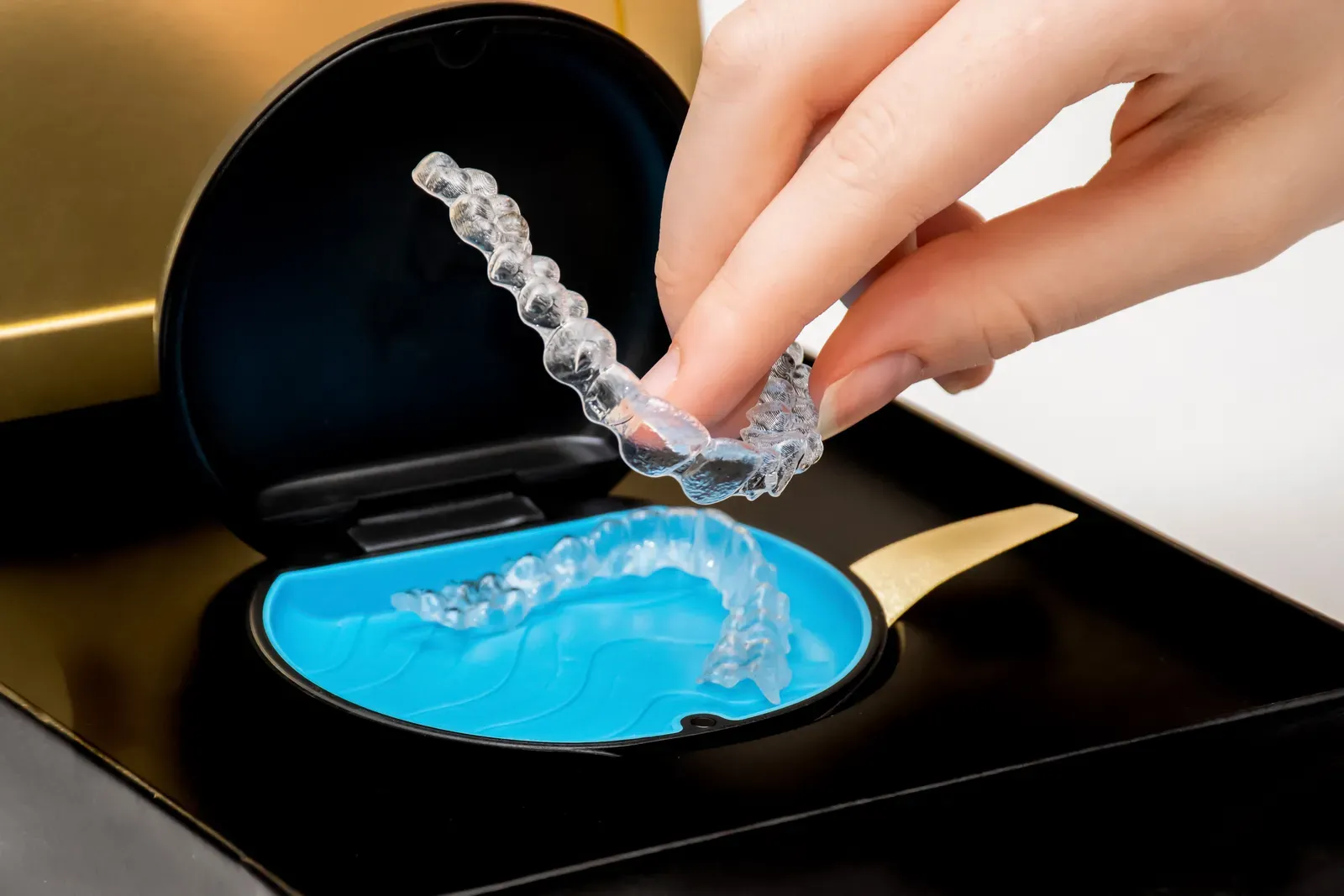
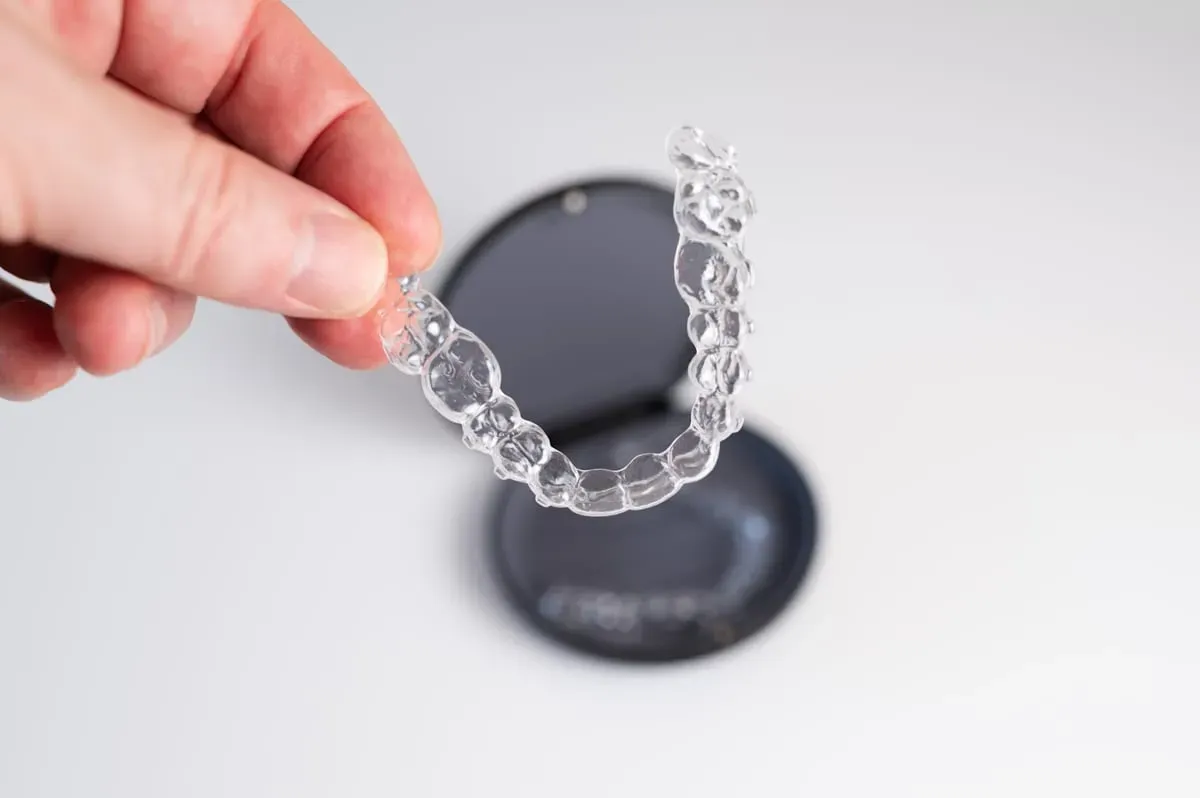
Invisalign uses a series of custom-made, clear plastic trays called aligners, each one slightly different from the last. Instead of a wire gradually tightening over months, each tray nudges your teeth a fraction of a millimeter in a planned direction. You wear one set for about one to two weeks, then switch to the next tray in the sequence, repeating the process until your teeth reach their final, mapped-out positions.
The entire sequence is planned digitally before you ever get your first tray. We take a 3D scan of your mouth, and specialized software maps out every intermediate step between your current bite and your target alignment. That means you and your dentist can actually preview a simulation of your results before committing to treatment - something traditional braces never offered.
Because each tray is manufactured to exacting, patient-specific measurements, the pressure applied to your teeth is controlled and predictable. This is part of why many patients describe Invisalign discomfort as milder than what they remember from braces - the force is distributed more evenly and the adjustment happens in smaller increments.
Are You a Good Candidate for Clear Aligners?
Invisalign handles a surprisingly wide range of orthodontic issues, including crowding, spacing, mild to moderate overbites and underbites, and crossbites. It's not automatically ruled out just because your case looks complicated on the surface - modern Invisalign systems include attachments and auxiliary tools that extend what clear aligners can correct well beyond what early versions of the product could manage.
That said, it isn't the right tool for every situation. Severe skeletal discrepancies, certain complex bite rotations, or cases requiring significant vertical tooth movement sometimes respond better to traditional braces or a combination approach. The only way to know for certain is a proper evaluation, which is why we start every Invisalign conversation with a full exam, X-rays, and a digital scan rather than guessing from a quick look in your mouth.
- Mild to moderate crowding or spacing: The most common and most predictable use case, often completed within six to twelve months.
- Healthy gums and teeth: Active gum disease or significant decay should be addressed first so treatment isn't interrupted.
- Commitment to wear time: Aligners need 20 to 22 hours a day to stay on schedule, so your lifestyle and discipline matter as much as your bite.
- Teens and adults alike: Invisalign Teen includes compliance indicators and room for growing adult teeth, while adult patients benefit from the discreet appearance.
What the Treatment Timeline Looks Like
Most Invisalign cases run anywhere from six months to eighteen months, depending on how much movement is needed. Minor cosmetic corrections, like closing a small gap between front teeth, can sometimes wrap up in a few months. More involved bite corrections, especially ones involving back teeth or rotation, take longer and may require refinement trays near the end to fine-tune the final result.
What Happens at Check-In Visits
Unlike braces, which typically need adjustment every four to six weeks, Invisalign check-ins are usually spaced six to eight weeks apart since you're simply progressing through pre-made trays at home. At each visit, we confirm your teeth are tracking to plan, check that each tray fits snugly, and address anything that feels off before it becomes a bigger issue. If movement is slightly behind schedule, we can issue a new scan and adjust the remaining tray sequence rather than starting over.
Toward the end of treatment, many patients go through a short refinement phase - a second, smaller set of aligners that handles the last small adjustments software couldn't fully predict from the first scan. This is a normal part of getting a precise result, not a sign that something went wrong.
Living With Aligners: Eating, Speaking, and Oral Hygiene
One of the biggest draws of Invisalign is how little it disrupts your routine. Because the trays are removable, you take them out to eat, which means no food restrictions - no giving up popcorn, corn on the cob, or crunchy apples the way you would with brackets and wires. You simply remove the tray, eat normally, brush your teeth, and put the tray back in.
Speech adjusts quickly for most people. A small number of patients notice a slight lisp during the first few days of a new tray, but it typically resolves as your tongue adapts to the plastic. Oral hygiene is also simpler than with fixed braces - flossing and brushing work the same way they always have, since there's no hardware to navigate around.
The habit that matters most is wear time. Aligners only move your teeth while they're in your mouth, so the 20-to-22-hour daily target isn't arbitrary. Patients who treat it loosely tend to see their timeline stretch out, since inconsistent wear slows the planned progression and sometimes requires extra trays to compensate.
Invisalign Cost Compared to Traditional Braces
Cost is usually one of the first questions we get, and it's a fair one. Invisalign pricing typically lands in a similar range to traditional metal braces for comparable cases, though the exact number depends on the complexity of your bite, how many trays your plan requires, and whether refinements are needed later. A simple cosmetic case will cost noticeably less than correcting a significant bite misalignment.
Many dental insurance plans that cover orthodontic treatment extend that coverage to Invisalign as well, since it's classified the same way as braces for benefit purposes. We review your plan's orthodontic allowance during your consultation so you know your actual out-of-pocket estimate before you decide, rather than an abstract starting price. Flexible payment arrangements are also common, letting patients spread the cost across the length of treatment instead of paying everything upfront.
It's worth remembering that straighter teeth aren't purely cosmetic spending. Correcting crowding and bite problems can reduce uneven wear, ease jaw strain, and make daily cleaning more effective, which can lower your risk of cavities and gum issues down the road. Viewed that way, Invisalign is as much a preventive investment as an aesthetic one.
Protecting Your Results After Treatment Ends
Finishing your last aligner tray isn't quite the finish line - it's the start of the retention phase. Teeth have a natural tendency to drift back toward their original positions, especially in the months right after active movement stops. That's why every Invisalign patient at our office leaves with a custom retainer and a wear schedule tailored to their case.
Most patients wear their retainer full-time for a period after finishing treatment, then shift to nighttime-only wear long term. Skipping this step is the single most common reason people see their teeth shift back after an otherwise successful treatment. A retainer is a small, low-effort habit compared to the months you spent getting your smile where you wanted it.
We also recommend keeping up with routine cleanings and checkups after treatment ends. Straighter teeth are easier to clean thoroughly, but that benefit only holds if you maintain the regular care that keeps your gums healthy and your bite stable over time.
Key Takeaways
- Invisalign uses a planned series of custom clear trays to move teeth gradually, with each tray worn for one to two weeks.
- It effectively treats crowding, spacing, and many mild to moderate bite issues, though severe cases may still need traditional braces.
- Treatment typically runs six to eighteen months, with check-ins roughly every six to eight weeks.
- Consistent wear of 20 to 22 hours a day is the biggest factor in staying on schedule.
- A custom retainer after treatment is essential to keep your teeth from shifting back.
Frequently Asked Questions
Does Invisalign hurt?
Most patients feel mild pressure or tightness for a day or two after switching to a new tray, which is a sign the teeth are moving as planned. This sensation is generally milder and shorter-lived than the soreness associated with tightening traditional braces.
How many hours a day do I actually need to wear my aligners?
Aim for 20 to 22 hours daily, removing trays only for eating, drinking anything besides water, and brushing. Falling short of this consistently is the main reason treatment timelines run longer than originally planned.
Can Invisalign fix an overbite or underbite?
Yes, in many mild to moderate cases. Invisalign can use attachments and specialized tray designs to correct certain bite misalignments, though more severe skeletal discrepancies may require a different approach, which we'll determine during your evaluation.
Will people be able to tell I'm wearing aligners?
Invisalign trays are made from clear, thin plastic designed to sit closely against your teeth, which makes them far less noticeable than metal brackets and wires. Most people won't notice unless they're looking closely or you point it out.
What happens if I lose or crack an aligner tray?
Contact our office as soon as possible. Depending on where you are in your treatment, we may have you move to the next tray early, revert to the previous one temporarily, or order a replacement so your schedule stays on track.
Is Invisalign Worth Considering for Your Smile?
Straightening your teeth as an adult, or helping a teenager through orthodontic treatment, doesn't have to mean years of visible metal and dietary restrictions. Invisalign has matured into a genuinely effective option for a wide range of bite and alignment issues, with a treatment experience that fits far more easily into everyday life than people expect.
The best next step is a straightforward evaluation - a digital scan, an honest look at your bite, and a clear picture of what treatment would involve for your specific case. Our team at Flossophy Dental Haltom can walk you through whether Invisalign is the right fit, what your timeline might realistically look like, and what to expect at every stage, so you can make the decision with full information rather than guesswork.