Losing a tooth changes more than your smile. It can shift the way you chew, the way your jaw feels, and even the way you speak without you quite noticing why. For decades, dentists could offer bridges or dentures to fill the gap, but those options have always come with trade-offs - adjacent teeth get filed down, or a plate shifts awkwardly when you laugh. Dental implants were developed to solve that problem differently, by replacing the tooth root itself rather than just masking what's missing.
If you've been told you're a candidate for an implant, or you're simply researching your options after a tooth extraction or years of wearing a loose denture, it helps to understand what the process actually involves before you commit. Implants are a significant investment of time and money, and the more informed you are going in, the more comfortable you'll feel with each step.
This article walks through how implants work, who tends to be a good candidate, what the procedure and healing timeline look like, and how to think about cost and long-term care. Our goal is to give you a realistic, grounded picture - not a sales pitch - so you can have a more productive conversation at your next appointment.
How Dental Implants Actually Work
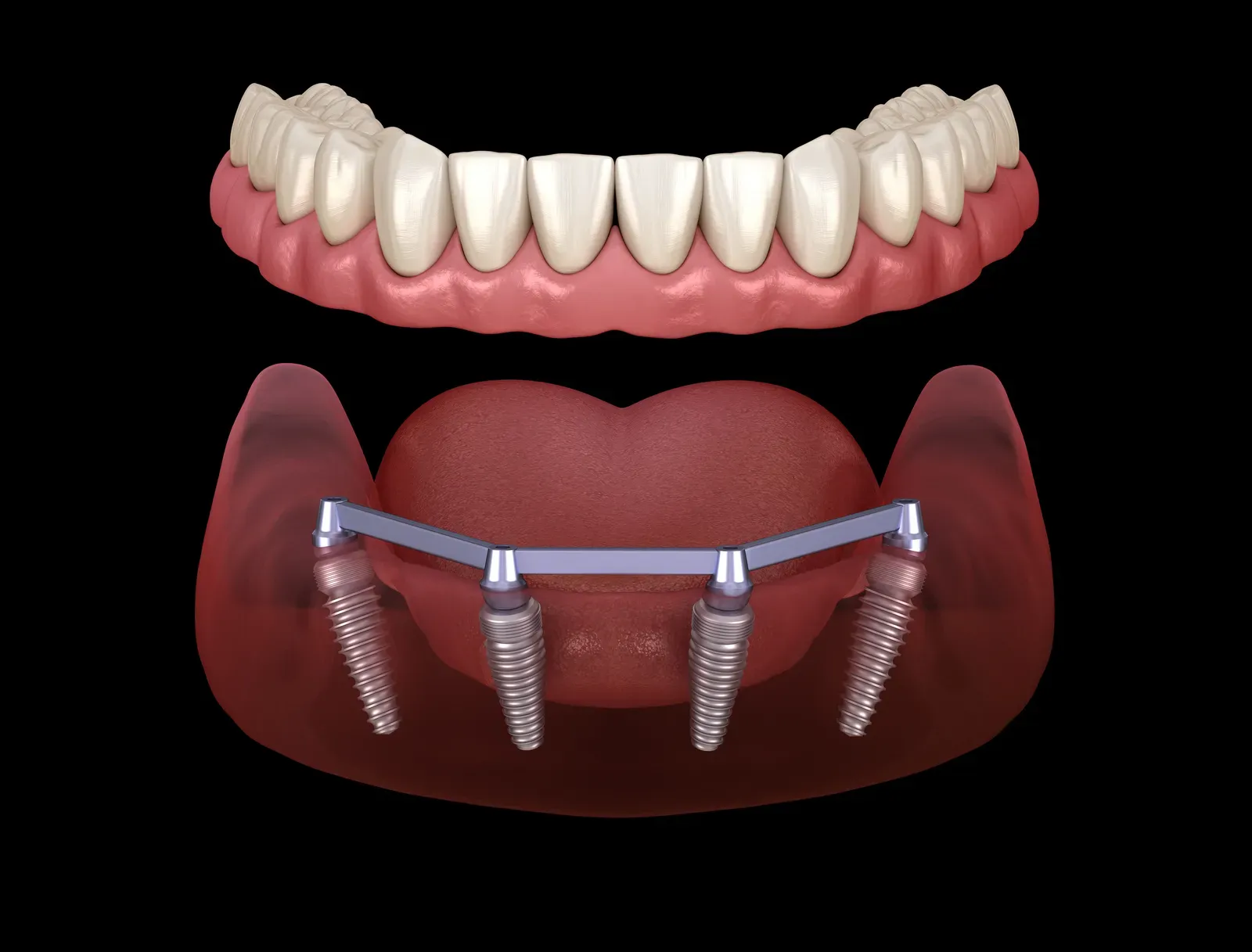
A dental implant is made up of three parts working together: a titanium (or titanium-alloy) post that's placed into the jawbone, an abutment that connects to it, and a custom-made crown that sits on top and looks like a natural tooth. What sets this apart from a bridge or a removable denture is that implant actually replaces the root, not just the visible portion of the tooth. Over a period of weeks to months, the bone around the titanium post fuses to it in a process called osseointegration, creating a stable, bone-anchored foundation.
This matters for reasons beyond cosmetics. When a tooth root is missing, the jawbone in that area has nothing to stimulate it and begins to resorb, or shrink, over time. That's why people who've worn dentures for many years sometimes notice their jaw changing shape or their dentures fitting looser year after year. An implant, because it integrates with the bone, helps preserve that bone structure the way a natural root would.
This is part of why implants are generally considered within restorative dentistry rather than purely cosmetic treatment. They're restoring function - chewing strength, bite stability, and jaw health - alongside appearance.
Who Makes a Good Candidate for Implants?
Most healthy adults missing one or more teeth are reasonable candidates for implants, but a few factors determine how straightforward the process will be. The biggest consideration is bone density in the jaw. If a tooth has been missing for a long time, or if gum disease has caused bone loss, there may not be enough bone to anchor an implant without additional preparation first. This is something we evaluate with imaging during a consultation, not something you can judge on your own.
Gum health matters just as much as bone. Active, untreated gum disease needs to be addressed before implant placement, since the same bacteria that damage natural teeth can threaten an implant's stability. For patients dealing with more advanced gum issues, a round of laser gum treatment can get tissue healthy enough to move forward safely.
Certain health conditions and habits can also affect candidacy or healing time, though they rarely rule implants out entirely:
- Insufficient jawbone volume. This can often be addressed with a bone graft prior to implant placement, adding a few months to the overall timeline.
- Smoking. Tobacco use slows healing and raises the risk of implant failure, so quitting or cutting back before surgery improves your odds significantly.
- Uncontrolled diabetes. Blood sugar that's well managed doesn't typically interfere with implant success, but poorly controlled diabetes can slow healing.
- Still-growing jaws. Implants are generally reserved for adults whose jaw development is complete, since a fixed post can't move with a growing bone.
What to Expect: The Procedure and Timeline
Implant treatment isn't a single appointment - it's a staged process that typically unfolds over several months, and understanding the stages ahead of time makes the whole experience less daunting. The first visit is a thorough evaluation, including X-rays or a 3D scan, to map out your jawbone, nerve positions, and sinus location if the implant is going in the upper back jaw. This is also when we discuss whether a tooth needs to come out first, which may involve a straightforward tooth extraction before implant planning continues.
Once we've confirmed the site is ready, the implant post itself is placed under local anesthesia in a procedure that usually takes less than an hour per tooth. Many patients are surprised at how manageable this appointment is compared to what they'd imagined - discomfort afterward is typically similar to what you'd feel following an extraction, manageable with over-the-counter pain relief for a few days.
After placement, the site needs time to heal and for the bone to fuse to the implant, which usually takes three to six months depending on the location in the jaw and your individual healing rate. Once osseointegration is confirmed, we attach the abutment and take an impression for your custom crown. The final crown is color-matched and shaped to blend naturally with your bite, and once it's seated, the restoration functions essentially like a natural tooth.
Recovery and Healing: What's Normal?
In the days immediately following implant placement, mild swelling, tenderness, and some bruising around the gum are common and generally resolve within a week. Sticking to soft foods, avoiding the surgical site when brushing for the first few days, and taking any prescribed antibiotics as directed all support a smooth recovery. Most patients return to normal activities, including work, within one to two days.
The longer healing phase - the months when bone is fusing to the implant post - doesn't usually come with noticeable symptoms day to day. You'll have a follow-up visit or two during this window so we can check progress with imaging, but for the most part, life continues normally. It's worth being patient here; rushing the restoration phase before the bone has properly integrated is one of the more preventable causes of implant complications.
If you experience persistent pain, visible movement in the implant post, or signs of infection such as ongoing swelling or discharge, that's not typical and should be evaluated promptly. These issues are uncommon, but catching them early makes them far easier to resolve.
Understanding the Cost of Implants
Implant cost varies based on how many teeth need replacing, whether bone grafting is required, and the type of restoration - a single crown, an implant-supported bridge, or a full-arch solution for patients missing most or all of their teeth. It's genuinely difficult to quote an accurate number without an exam, because two patients can need very different levels of preparation even if they're both "just getting one implant."
It's useful to compare implants against the alternatives rather than looking at the number in isolation. A traditional dental bridge often costs less upfront but typically needs replacement every 10 to 15 years and requires grinding down the teeth next to the gap. Implants, by contrast, are designed to last for decades with proper care, which changes the long-term math considerably. For patients missing several teeth, we sometimes discuss implant-supported dentures or partials as a way to get implant stability without replacing every single tooth individually.
Dental insurance coverage for implants varies widely from plan to plan, and some plans cover the crown portion but not the surgical placement, or vice versa. Our team can help you understand your specific coverage and discuss financing options that spread the cost into manageable monthly payments. We'd encourage anyone weighing the decision to come in for a consultation and get a personalized estimate rather than relying on a general number found online.
Caring for Your Implant Long Term
One of the most appealing aspects of implants is how little special care they actually require once they've healed. You brush and floss an implant crown the same way you would a natural tooth - there's no need for special cleaning solutions or removable pieces to soak overnight. That said, the gum and bone tissue surrounding an implant can still develop a condition called peri-implantitis if plaque is allowed to build up, which is essentially gum disease around the implant site.
Routine professional dental cleanings remain important even with an implant, since we can check the surrounding tissue and the stability of the restoration at each visit. Most implant failures that do occur happen gradually, from untreated gum inflammation, rather than from a sudden problem - which means regular checkups genuinely catch issues early.
With consistent home care and regular visits, a well-placed implant can realistically last 20 years or longer, and many patients keep theirs for life. That durability, paired with how natural they look and feel, is what makes implants worth the upfront time investment for so many of the patients we treat.
Key Takeaways
- Dental implants replace the tooth root, not just the visible crown, which helps preserve jawbone density over time.
- Good candidacy depends mainly on bone volume and gum health, both of which can be assessed and, if needed, improved before placement.
- The full process typically spans several months due to the time bone needs to fuse securely to the implant post.
- Recovery after placement is usually mild and short-lived, while long-term success depends on consistent brushing, flossing, and regular cleanings.
- Although the upfront cost is higher than a bridge or denture, implants often last decades longer, changing the long-term value equation.
Frequently Asked Questions
Does getting a dental implant hurt?
The placement procedure is done under local anesthesia, so you shouldn't feel pain during surgery itself. Afterward, most patients describe discomfort similar to a tooth extraction, which is typically manageable with over-the-counter pain medication for a few days.
How long does the entire implant process take?
From initial consultation to final crown, most cases take three to eight months, largely because the bone needs time to fuse to the implant post before the crown can be attached. Cases requiring bone grafting or extraction healing first will run longer.
Can I get an implant if I've been missing a tooth for years?
Often yes, though a long-missing tooth may mean some bone loss has occurred in that area, which could call for a bone graft first. This is exactly what a consultation and imaging are for - to assess what your specific situation needs.
Are implants better than a bridge or denture?
It depends on your individual needs, bone health, and budget, but implants generally offer better long-term durability and don't require altering neighboring healthy teeth the way a bridge does. We're happy to walk through the pros and cons of each option for your specific case.
What happens if my jaw doesn't have enough bone for an implant?
A bone graft procedure can rebuild adequate bone volume in most cases, adding a few months to your overall timeline before the implant itself is placed. Our team will let you know during your evaluation whether this step applies to you.
Is an Implant the Right Next Step for You?
Replacing a missing tooth isn't just about appearance - it's about protecting your bite, your jawbone, and the health of the teeth around the gap. Dental implants offer a solution that's built to function and last like a natural tooth, which is why they've become the standard recommendation for so many patients facing tooth loss today.
Every mouth is different, and the right path forward depends on your bone health, your overall dental history, and your goals for the final result. The clearest way to find out if you're a good candidate, and what your specific timeline and cost would look like, is to come in for an evaluation with our dental implants team and get answers specific to your smile.